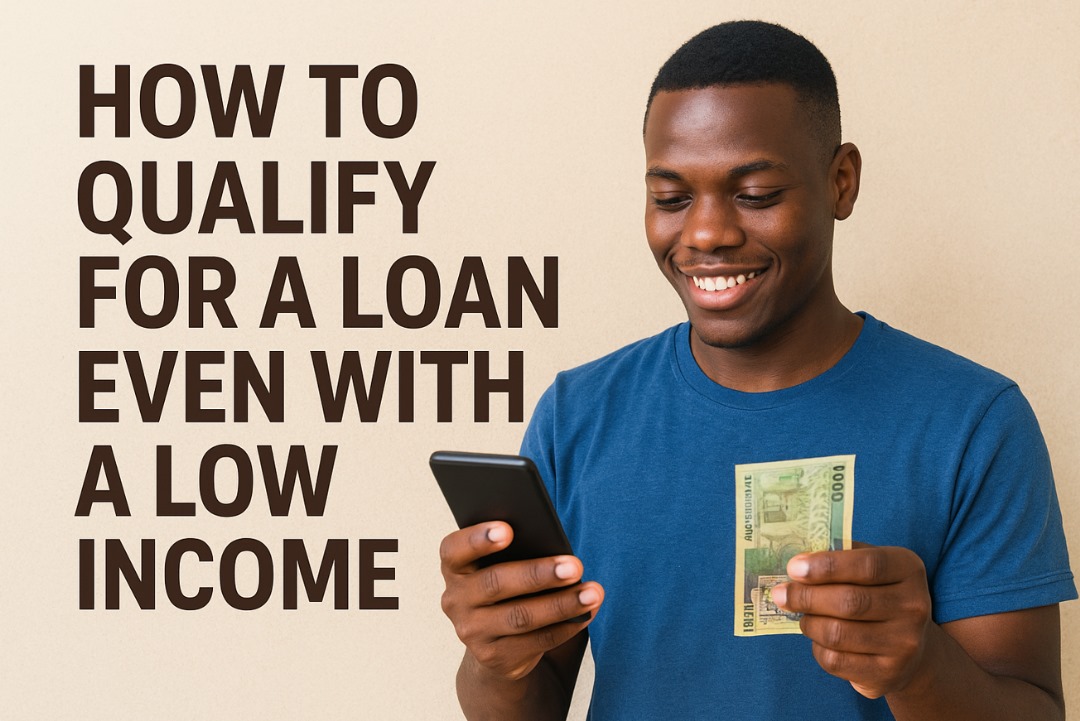
In many parts of Uganda and East Africa, accessing a loan can feel like an impossible task—especially if you earn a low or irregular income. Whether you are a small trader in Owino Market, a boda boda rider in Mbale, a teacher on a modest salary, or a young entrepreneur trying to start something meaningful, the reality is the same: money is needed to grow, but formal financial doors often appear closed.
The good news is this—low income does not automatically disqualify you from getting a loan. What matters most is how you present yourself financially, where you apply, and how well you understand the lending system around you. This article walks you through practical, realistic, and locally relevant ways to qualify for a loan even when your income is small.

Understanding How Lenders Think
Before applying for any loan, it is important to understand how lenders in Uganda and East Africa assess borrowers. Banks, SACCOs, microfinance institutions (MFIs), and digital lenders all ask one central question:
“Can this person repay the loan on time?â€
Your income level is only one part of that answer. Lenders also consider:
·        Consistency of income (even if small) ·        Your saving habits ·        Your borrowing history ·        Your character and trustworthiness ·        Collateral or guarantorsOnce you understand this mindset, you can position yourself more strategically.
Start With What You Have: Prove Income Consistency
Many people believe that if they do not earn a large monthly salary, they should not even try to apply for a loan. This is a misconception. In Uganda, many lenders are comfortable with small but consistent income.
Practical Ways to Prove Income
·        Mobile money statements: Regular inflows on MTN MoMo or Airtel Money show business activity.
·        Bank statements: Even small deposits made consistently build credibility.
·        Simple records: A notebook showing daily sales, expenses, and profits can be very powerful—especially with SACCOs and MFIs.
If you are a market vendor, farmer, freelancer, or casual worker, start documenting your income today. Consistency builds trust.
Build a Saving Culture (Even Small Amounts Matter)
Savings are one of the strongest signals lenders look for. In fact, many SACCOs and MFIs in Uganda require you to save with them for a few months before qualifying for a loan.
Recommended for you
Why Savings Matter
·        They show financial discipline
·        They act as partial security for the loan
·        They reduce the lender’s risk
Saving UGX 5,000 or 10,000 regularly is far better than saving nothing at all. Over time, this habit opens doors.
Choose the Right Lender for Your Income Level
Not all lenders are suitable for low-income earners. Applying to the wrong institution leads to rejection and frustration.
Best Options for Low-Income Earners
SACCOs (Savings and Credit Cooperative Organizations)These are community-based and more flexible. They value character, savings, and group trust.
Microfinance Institutions
MFIs understand small businesses and informal income better than commercial banks.
Village Savings and Loan Associations (VSLAs)
Ideal for people starting out. Loans are based on group savings and trust.
Digital Lending Apps
Apps like MoKash, Airtel Money Loans, and similar services use transaction history instead of payslips.
Commercial banks usually suit people with formal employment, but even there, some products are designed for small earners.
Use Group Power to Your Advantage
Group lending is common across East Africa for a reason—it works.
When you borrow as part of a group:
·        Risk is shared
·        Trust replaces collateral
·        Approval chances increase
Women groups, youth groups, farmer cooperatives, and business associations often access loans more easily than individuals. If you are not in one, consider joining.
Strengthen Your Credit History Slowly
Credit history is becoming increasingly important in Uganda as credit bureaus grow.
How to Build a Good Credit Profile
·        Start with small loans
·        Repay on time, every time
·        Avoid defaulting, even on mobile loans
Many people fail to qualify for larger loans not because of low income, but because of poor repayment behavior on small loans.
Provide Collateral or a Guarantor Where Possible
If your income is low, lenders may ask for additional security.
Common Forms of Security
·        Land agreements
·        Motorcycles (logbook)
·        Household assets
·        Trusted guarantors (especially in SACCOs)
A strong guarantor with a good reputation can significantly improve your chances.
Borrow for Income-Generating Purposes
One major mistake borrowers make is applying for loans without a clear purpose.
Loans meant for: - Business expansion - Farming inputs - Equipment purchase - Skill development
are easier to approve than loans for consumption. Always explain how the loan will help you earn more money.
Prepare Yourself Before Applying
Before walking into any lending institution, ask yourself:
·        How much do I really need?
·        Can I afford the monthly repayment?
·        What is my backup plan if income delays?
Being prepared shows seriousness and responsibility—qualities lenders respect.
Final Thoughts: Low Income Is Not the End of the Road
Across Uganda and East Africa, thousands of people with modest incomes are accessing loans every day—not because they are rich, but because they are prepared, disciplined, and informed.
Qualifying for a loan is not about how much you earn today. It is about how well you manage what you have, how consistently you earn, and how responsibly you borrow.
If you start building good financial habits now—saving regularly, keeping records, repaying small loans—you will find that opportunities open up over time.
Low income may slow the journey, but it does not stop it.
This article is intended for educational purposes and reflects common lending practices in Uganda and East Africa.



Comments