Quick summary
-
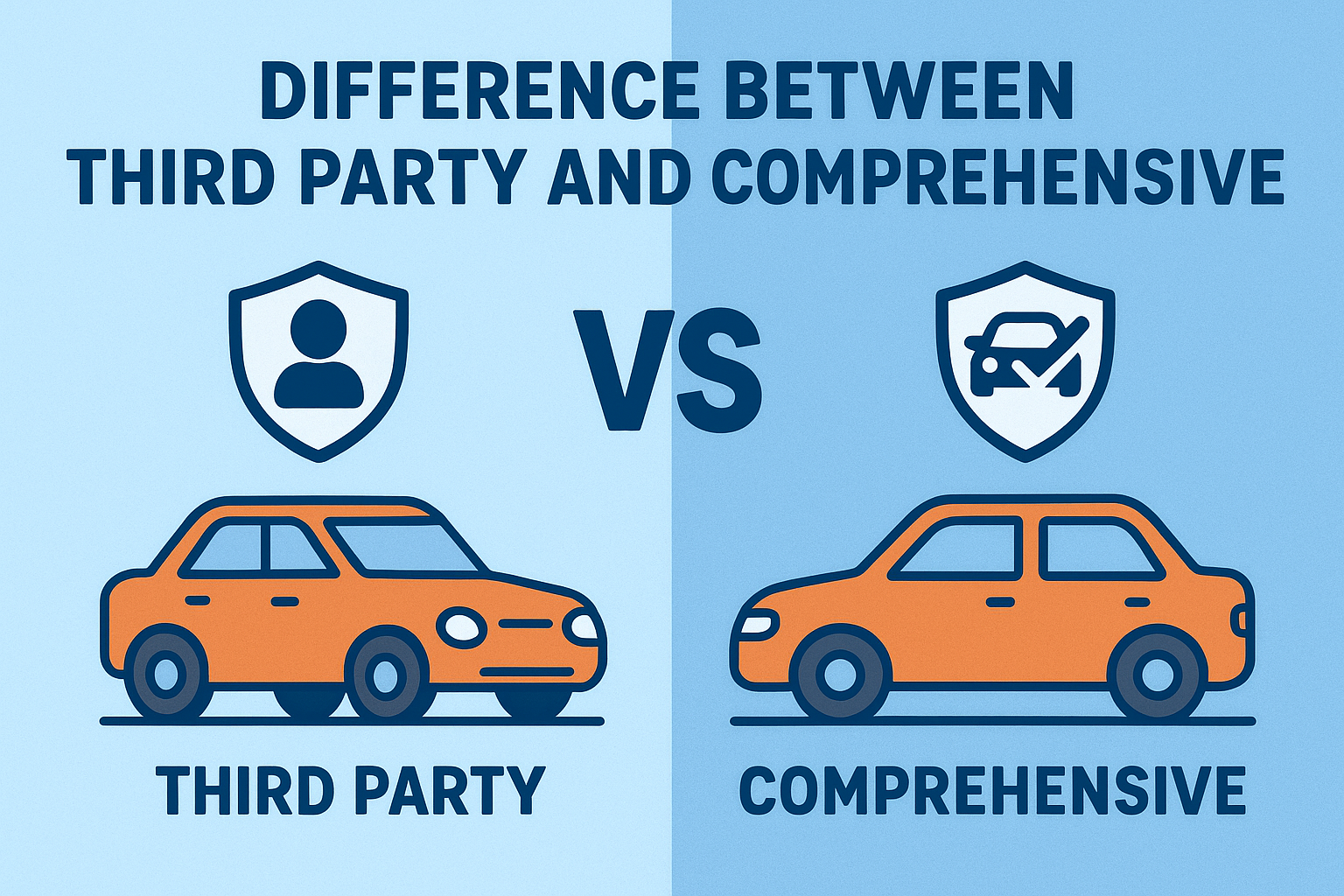
Third party insurance covers damage or injury you cause to other people or their property. It does not cover damage to your own vehicle.
Comprehensive insurance covers third party liability and damage to your own vehicle in many situations (accident, theft, fire, sometimes vandalism and natural causes), depending on the policy.
Third party is cheaper but offers limited protection. Comprehensive is more expensive but gives wider peace of mind.
What is third party insurance?
Third party insurance (sometimes called "third-party only") is the minimum form of motor insurance required by law in many countries. It protects the other person (the third party) if you cause an accident.
What it typically covers:-
Repair costs for another vehicle if the accident was your fault.
Medical expenses or compensation if someone else is injured because of your vehicle.
Damage to other people's property (e.g., a fence, lamp-post, or building).
-
Damage to your own vehicle.
Theft of your vehicle.
Vandalism to your vehicle.
Your own medical expenses (unless specified by additional cover).
-
Vehicles that are older or of low market value where repair costs make comprehensive insurance uneconomical.
Drivers who want to pay the minimum legal premium and accept risk on their own vehicle.
If you run a red light and collide with another car, third party insurance will pay for the other driver’s repairs and any legal claims they make against you — but it will not pay to fix your own car.
What is comprehensive insurance?
Comprehensive insurance (sometimes called "full cover") is a broader policy that protects you and others. It combines third party liability with cover for your own car in many circumstances.
What it typically covers:-
Third party liability (same as third party insurance).
Repairs to your vehicle if you are at fault in an accident.
Theft and attempted theft of your vehicle.
Fire damage.
Vandalism.
Weather-related damage (hail, flooding) — subject to policy wording.
In some policies: windscreen and glass repairs without losing your no-claims discount.
-
Driving under the influence of alcohol or drugs.
Using the vehicle for unauthorized commercial purposes when the policy is for private use.
Wear-and-tear, mechanical faults, or failures because of poor maintenance.
Damage intentionally caused by the policyholder.
-
New or expensive vehicles where repair or replacement costs would be high.
Drivers who rely on their car for work, dependability and continuity matter.
Owners who want protection against theft, vandalism, or natural events.
If your car is stolen from a shopping mall parking lot, comprehensive insurance usually covers the vehicle’s value (subject to policy limits and excess), while third party would pay nothing for your loss.
Real-life scenarios — side-by-side
-
Minor collision (your fault)
-
Third party: Pays the other driver’s repairs. You pay to fix your car.
Comprehensive: Pays both cars’ repairs (after any excess), subject to policy terms.
-
Third party: No cover — you pay for repairs.
Comprehensive: Usually covered.
-
Third party: Covers damage to the third party only — your own loss is not covered unless you have uninsured motorist protection (if available).
Comprehensive: Often covers your damages, and some policies include uninsured driver cover or personal accident benefits.
-
Third party: No cover.
Comprehensive: Often covered, depending on policy wording.
-
Third party: No cover for theft of your own vehicle.
Comprehensive: Theft is typically covered.
Key policy details to read carefully
Even within the labels "third party" and "comprehensive," insurers vary widely. Always read your policy schedule and wording for details. Pay attention to:
-
Excess (deductible): The amount you pay first when making a claim. Higher excess often means a lower premium but more cash to find if you claim.
Sum insured / market value: For older cars insurers may pay current market value (depreciated), not what you originally paid.
Optional add-ons: Windscreen cover, personal accident cover, legal expenses, roadside assistance, and zero-excess clauses.
Policy limits: Maximum amounts payable for certain types of losses.
Named drivers and usage: Who can drive the car and for what purpose (private, business, commuting).
No-claims bonus (NCB): Discount for not claiming; check how claims affect your NCB and whether NCB protection is available.
Cost differences — what drives premium prices?
Comprehensive cover usually costs more because it covers more scenarios. Key factors that affect cost for either policy include:
-
Vehicle value and age: New, expensive cars cost more to insure.
Driver’s age and driving history: Young or inexperienced drivers and those with previous claims or convictions pay more.
Location: Areas with high theft or accident rates increase premiums.
Usage: Business use policies are generally more expensive than private use.
Security measures: Alarms, immobilisers, and secure parking can reduce premiums.
Excess level chosen: Increasing voluntary excess lowers premium.
For low-value older cars, the extra annual cost of comprehensive may be higher than the likely payout for repairing the car after a single accident, which is why some owners choose third party.
Add-ons and hybrid options
Insurers offer extras that can be added to both third party and comprehensive policies. These include:
-
Windscreen cover — pay small excess (sometimes none) for glass repair/replacement.
Roadside assistance — recovery and minor repairs on the roadside.
Legal expenses cover — help with legal costs if you need to pursue a claimant or defend a lawsuit.
Personal accident or personal injury cover — pays you or passengers for medical costs/compensation.
Passenger liability — additional cover for passengers’ injuries.
Some markets offer third party, fire & theft as a middle option — it covers third party liability plus your own car if it’s stolen or damaged by fire, but it won’t cover damages from a collision you cause.
How to decide which is right for you
Consider these practical questions:
-
How much is your car worth?
-
If the vehicle’s resale value is low, third party might make financial sense.
-
If not, comprehensive offers better protection.
-
High-risk driving (urban, heavy traffic, long distances) leans toward comprehensive.
-
Lenders usually require comprehensive cover because they need the vehicle protected.
-
If you prefer certainty and fewer potential out-of-pocket costs, choose comprehensive.
-
Car is new/expensive, financed, or essential to your job → Comprehensive.
Car is old, low-value, spare, or you can self-insure losses → Third party (or third party, fire & theft).
Claims and consequences
-
Making a claim: If you’re at fault and you have comprehensive cover, the insurer typically handles repairs and pays third party costs. With third party only, you must cover your own repair costs.
Impact on premiums: Claims usually increase your premium at renewal unless you have NCB protection or a protected bonus.
Legal liability: Third party insurance protects you from legal claims by others — without it, you may face large personal liabilities.
Common misunderstandings
-
"Third party will pay for everything if someone else injures me." No. Third party covers liability to others; it does not pay for your own vehicle or medical costs unless your policy includes specific benefits.
"Comprehensive means everything is covered." Not true. Every policy has exclusions. Read the wording, especially regarding driving under influence, unauthorised drivers, and wear-and-tear.
"Comprehensive is always too expensive to be worth it." Not always. For newer vehicles, peace of mind and protection against theft or total loss often outweigh extra cost.
Example numbers (illustrative)
Imagine these rough numbers to see the tradeoff:
-
Annual third party premium: $120
Annual comprehensive premium (same driver/vehicle): $420
Market value of car: $3,000
Repair after a collision (your fault): $1,800
If you buy third party and have one at-fault crash, you pay $1,800 out of pocket. If you had comprehensive, after an excess of $200 the insurer would pay $1,600 — which more than justifies the higher premium in that year. Conversely, if no accident occurs for several years, the cheaper third party policy might save you money overall.
Recommended for you
Short checklist before you buy
-
Read the policy wording and schedule.
Check the excess and whether glass claims or windscreen repairs have a different excess.
Confirm the sum insured or how market value is calculated.
Ask about no-claims bonus terms and protection.
Look at named drivers and permitted uses.
Check if roadside assistance or legal expenses are included or optional.
Compare multiple quotes — the same cover can differ widely in price.
Final thoughts
Third party and comprehensive insurance are both useful, but they solve different problems. Third party protects you from the financial consequences of harming other people or their property. Comprehensive protects you and others — offering wider safety against accident, theft, fire, and other losses.
The right choice depends on your car’s value, how you use it, your finances, and how much risk you’re willing to accept. For many drivers with new or valuable cars, comprehensive is the smart choice. For older cars or drivers who can accept more risk, third party can be a cost-effective option.





Comments